Research Trips
SUBTITLE
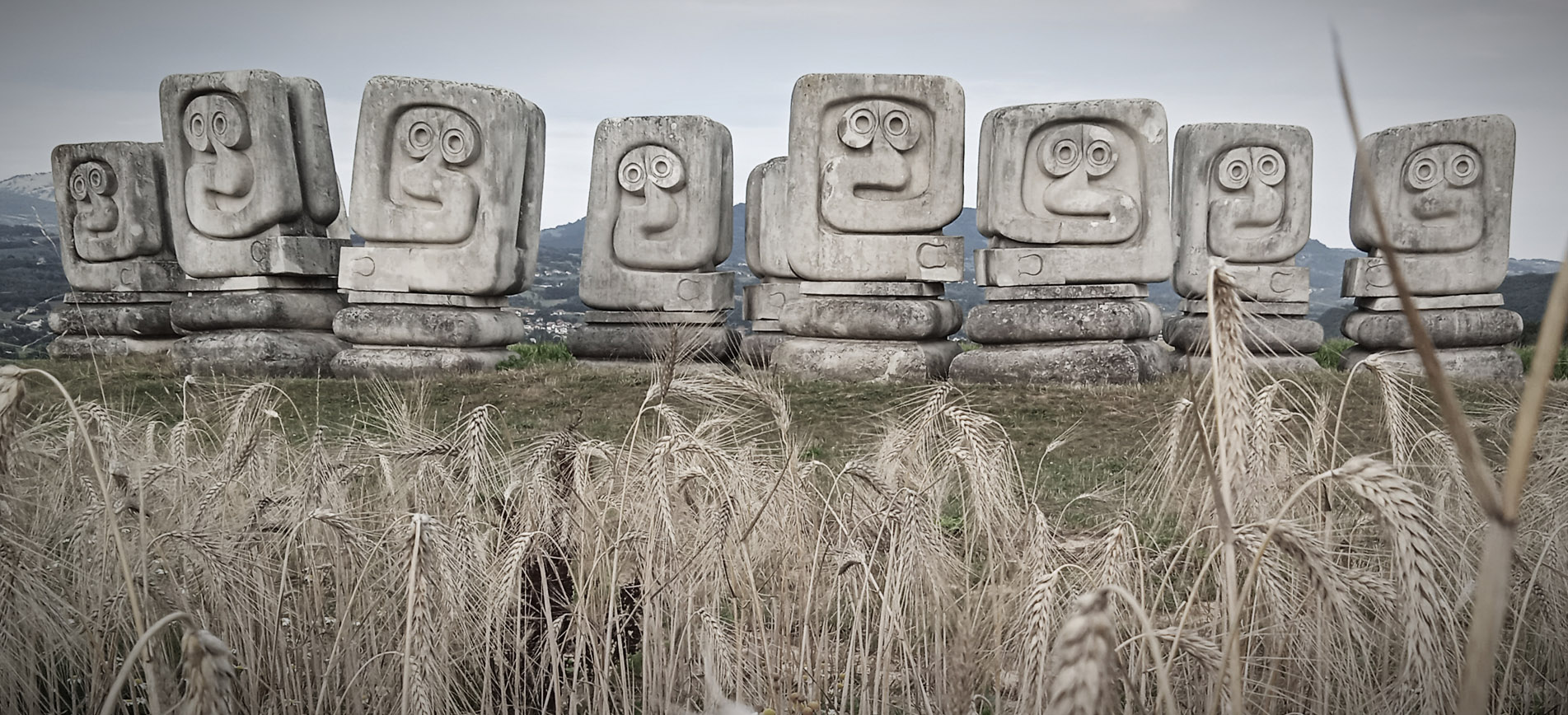
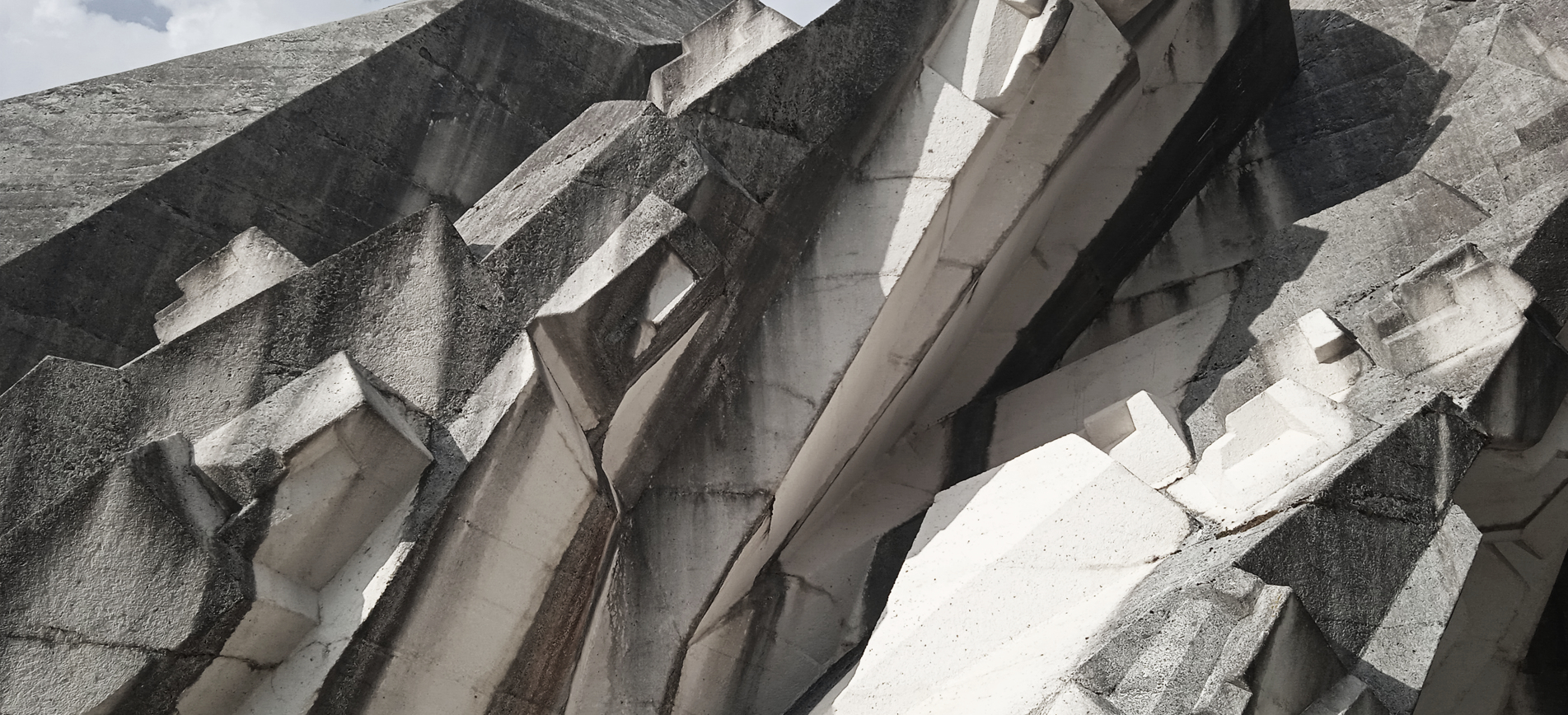
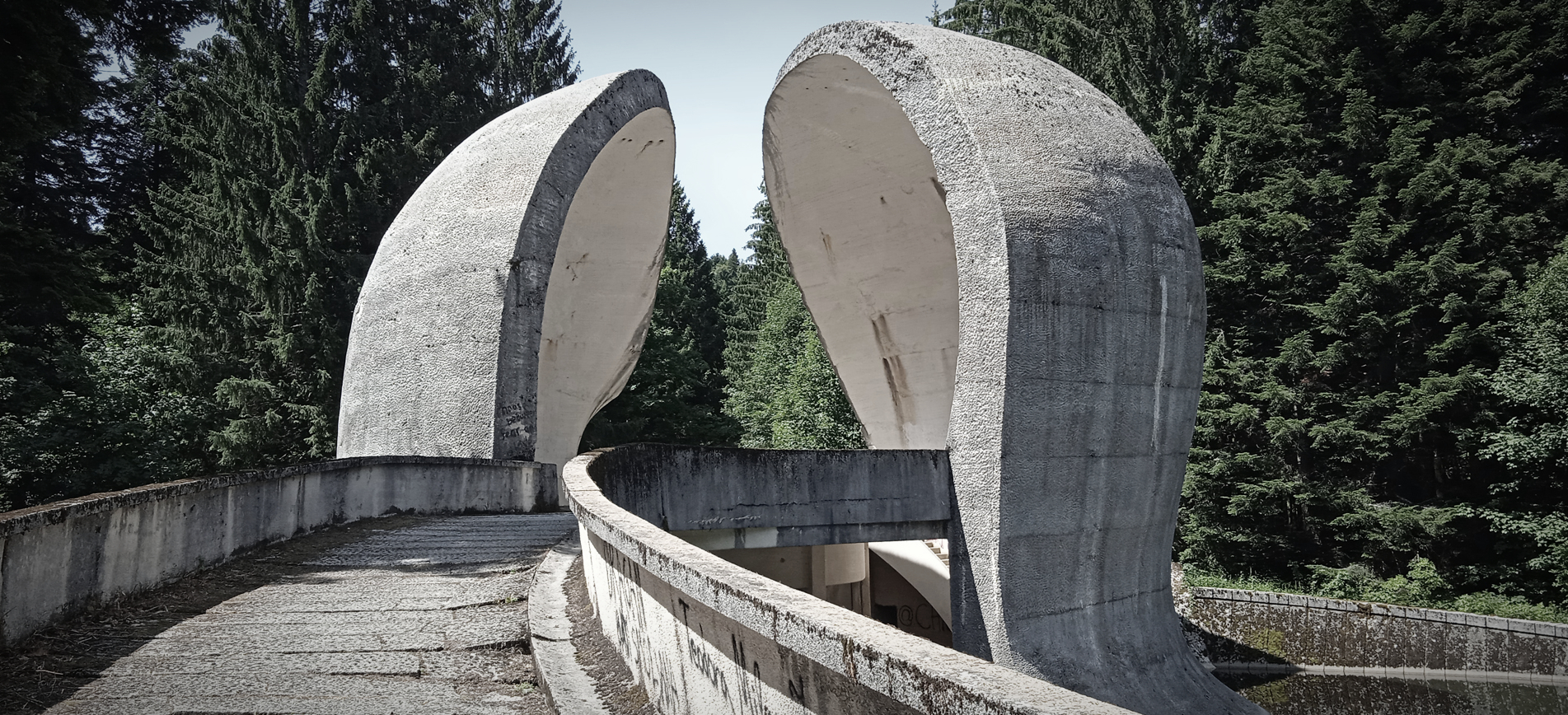
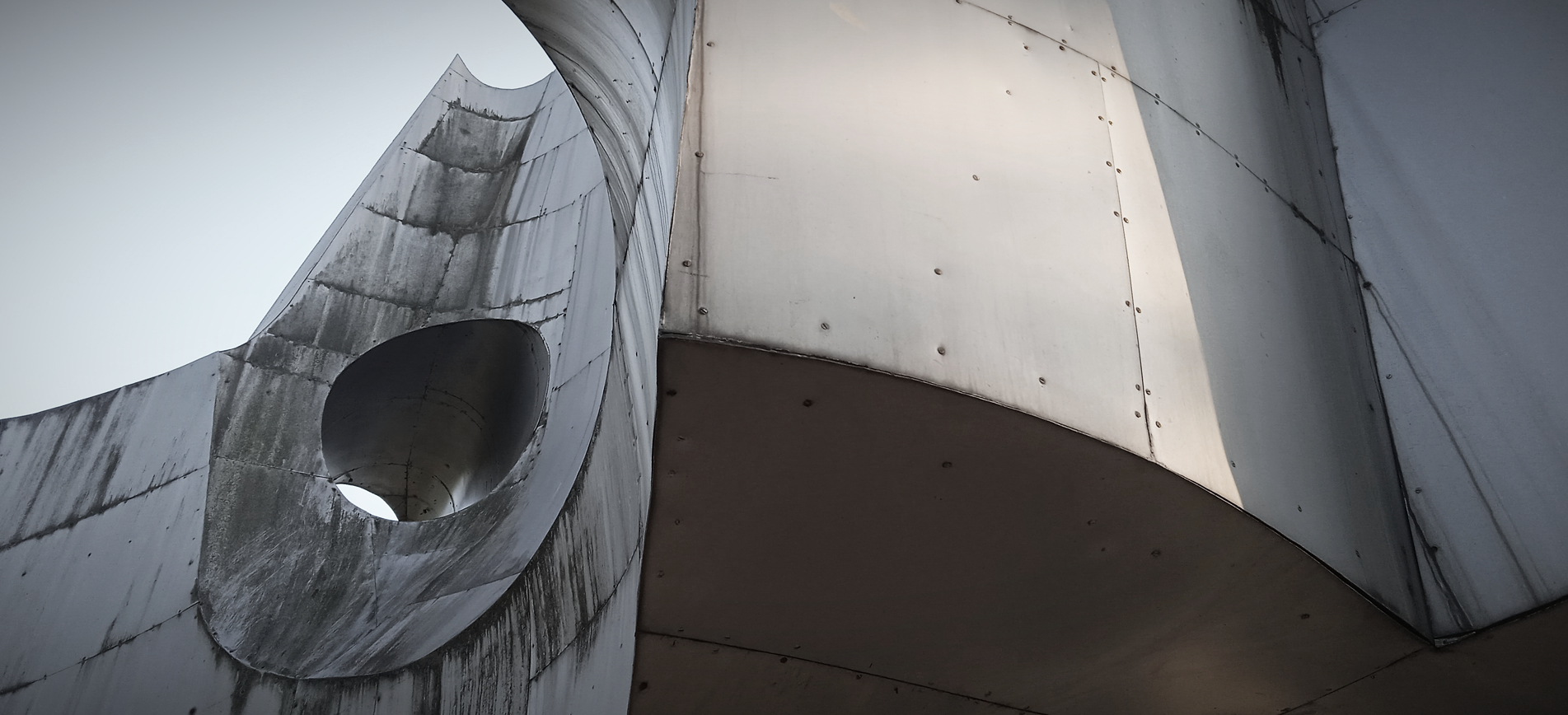
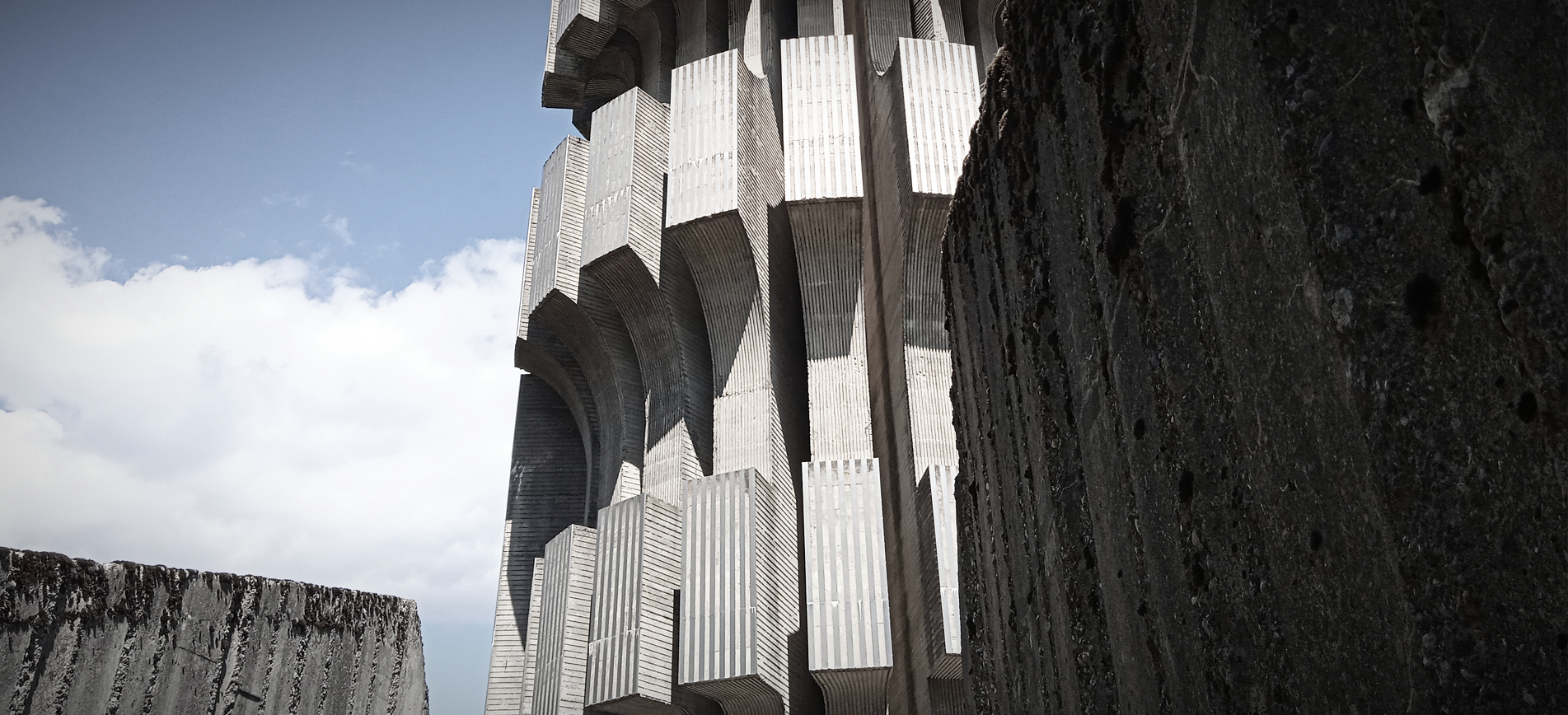
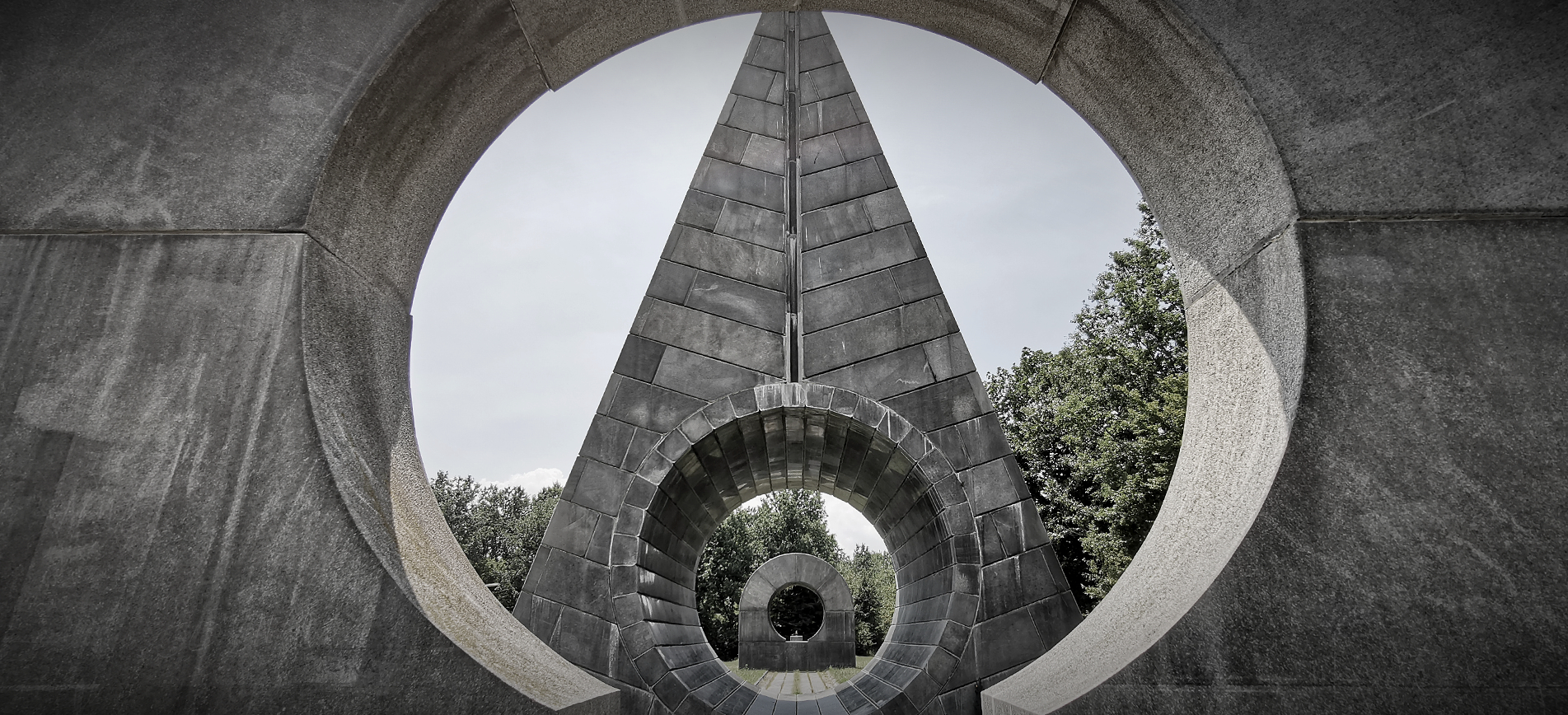
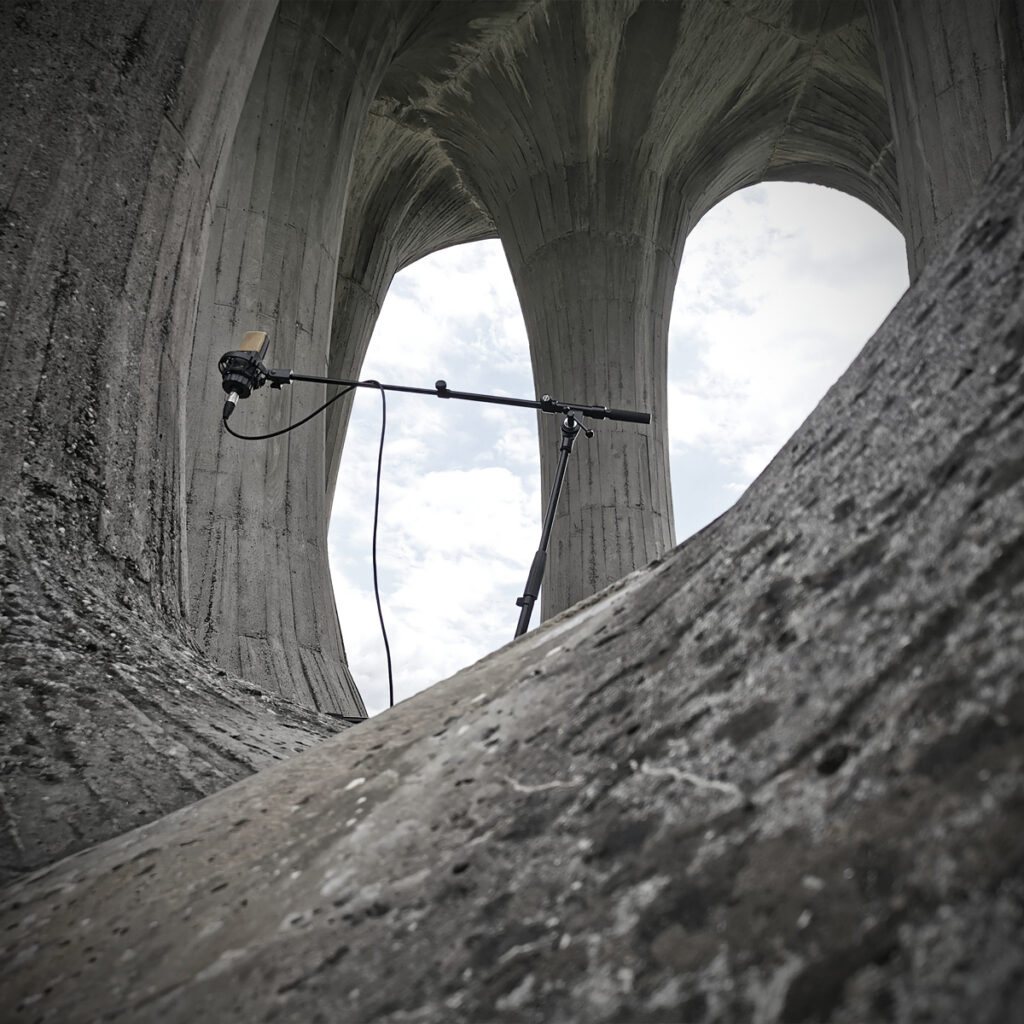
Sounding Spomenik started a series of extensive research trips in early 2021, focusing on the acoustic dimensions of former Yugoslav memorial architecture. The project's field trips investigate the sonic characteristics, environmental soundscapes, and broader auditory conditions of memorial sites constructed across the territory of the former Socialist Federal Republic of Yugoslavia between the early 50s and early 80s. These memorial sites are now scattered around within the state borders of Slovenia, Croatia, Bosnia and Herzegovina, Serbia, Montenegro, Kosovo, and North Macedonia.
These research trips constitute a terrain-based investigation into the relationship between architectural form, landscape, materiality, and sound. Particular attention is given to the interplay between intentional architectural design and the incidental sounds generated by natural phenomena, human activity, and the changing conditions of the surrounding landscape.
These research trips constitute a terrain-based investigation into the relationship between architectural form, landscape, materiality, and sound. Particular attention is given to the interplay between intentional architectural design and the incidental sounds generated by natural phenomena, human activity, and the changing conditions of the surrounding landscape.
''WHILE THE STRIKING AND STILL ENIGMATIC APPEARANCE OF THE ABSTRACT BRUTALIST MONUMENTS OF THE FORMER SOCIALIST FEDERAL REPUBLIC OF YUGOSLAVIA HAS BEEN WELL-DOCUMENTED IN RECENT YEARS, WE KNOW HARDLY ANYTHING ABOUT THEIR SOUNDING ASPECTS. MOST OF THESE SPOMENIKS (ORIGINAL PLURAL FORM SPOMENICI, MEANING MEMORIALS IN THE SERBO-CROATIAN LANGUAGE, DERIVED FROM THE ROOT SPOMEN- WHICH MEANS MEMORY) HAVE HOLLOW PARTS THAT SERVE AS RESONANT SPACES. THE MOST CHARACTERISTIC MATERIALS FROM WHICH THESE
HISTORICAL ARTEFACTS WERE MADE ARE POURED CONCRETE AND REBAR, OR STEEL FRAMES WITH METALLIC COVERING PLATES, ALL MATERIALS THAT CERTAINLY INFLUENCE SOUNDS OR CAN MODIFY THEM AUDIBLY. CURIOUSLY, NOBODY HAS UNTIL NOW EXAMINED, THOROUGHLY DOCUMENTED AND PUBLISHED THESE ENDURING LANDSCAPE OBJECTS AS ACOUSTIC SPACES.''
– excerpt from curator LÁSZLÓ JUHÁSZ's introductory text for project Sounding Spomenik
Recording Sessions
SUBTITLE
Lorem ipsum dolor sit amet, consectetur adipiscing elit, sed do eiusmod tempor incididunt ut labore et dolore magna aliqua. Ut enim ad minim veniam, quis nostrud exercitation ullamco laboris nisi ut aliquip ex ea commodo consequat. Duis aute irure dolor in reprehenderit in voluptate velit esse cillum dolore eu fugiat nulla pariatur. Excepteur sint occaecat cupidatat non proident, sunt in culpa qui officia deserunt mollit anim id est laborum.
Lorem ipsum dolor sit amet, consectetur adipiscing elit, sed do eiusmod tempor incididunt ut labore et dolore magna aliqua. Ut enim ad minim veniam, quis nostrud exercitation ullamco laboris nisi ut aliquip ex ea commodo consequat. Duis aute irure dolor in reprehenderit in voluptate velit esse cillum dolore eu fugiat nulla pariatur. Excepteur sint occaecat cupidatat non proident, sunt in culpa qui officia deserunt mollit anim id est laborum. Excepteur sint occaecat cupidatat non proident, sunt in culpa qui officia deserunt.
Lorem ipsum dolor sit amet, consectetur adipiscing elit, sed do eiusmod tempor incididunt ut labore et dolore magna aliqua. Ut enim ad minim veniam, quis nostrud exercitation ullamco laboris nisi ut aliquip ex ea commodo consequat. Duis aute irure dolor in reprehenderit in voluptate velit esse cillum dolore eu fugiat nulla pariatur. Excepteur sint occaecat cupidatat non proident, sunt in culpa qui officia deserunt mollit anim id est laborum. Excepteur sint occaecat cupidatat non proident, sunt in culpa qui officia deserunt.
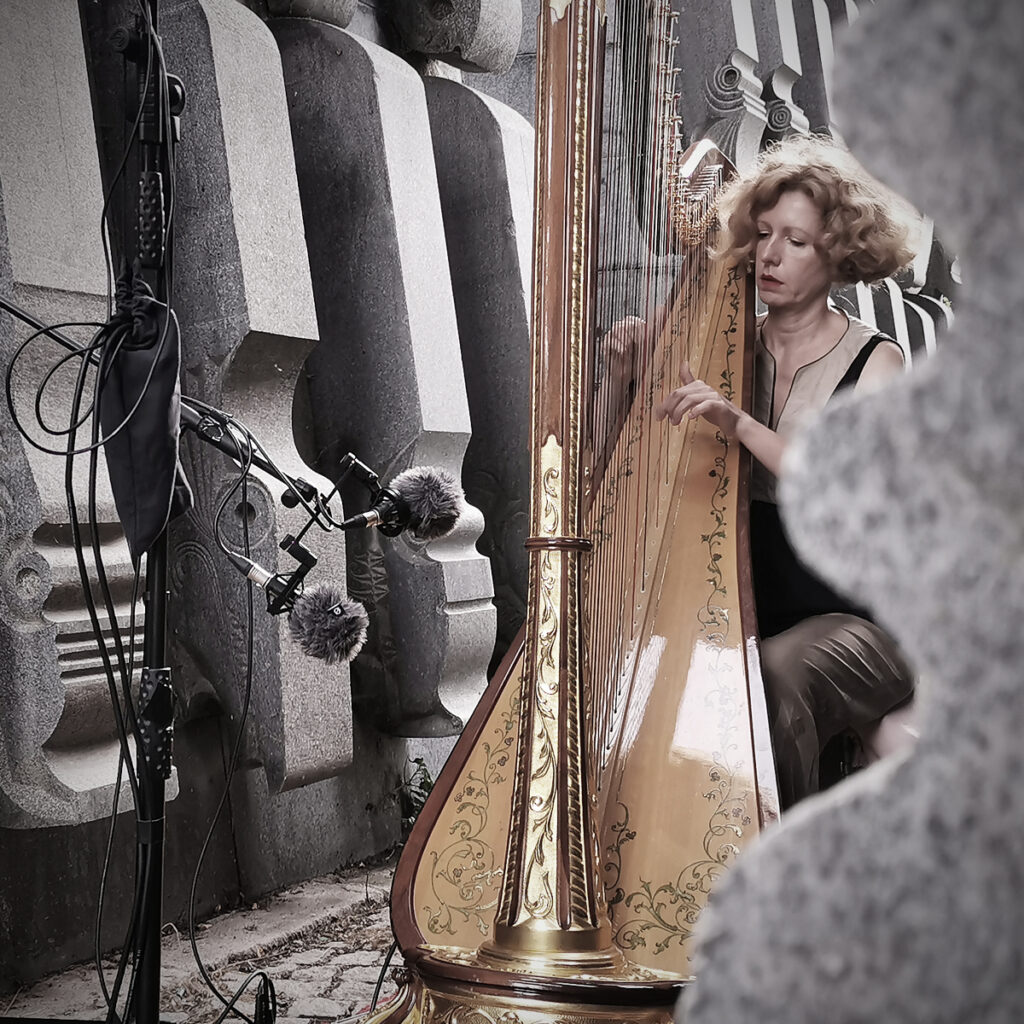
''EACH CAVITY CREATES ITS UNIQUE SPECTRAL AND ECHO IDENTITY. IT IS A UNIQUE IDENTIFIER BASED ON PHYSICAL / MATERIAL PROPERTIES AND DIMENSIONS OF THE 'INNER SPACE'. AS SUCH, IT IS AN INSTRUMENT. A MUSICIAN WITH A MUSICAL INSTRUMENT ENTERS THE BODY AND MAKES ITS ACQUAINTANCE THROUGH SOUND. TESTING THIS AND THAT – AND GETTING THE RESULT. THE EXPERIENCE OF INNERSIDES IS WHOLESOME – IT IS PHYSICAL. ACQUAINTANCE IS REWARDING IF THE BOUNCED-BACK AND AMPLIFIED RESULT IS SOUND-WISE GRATIFYING. FOR THIS, A MUSICIAN HAS TO ADAPT HIS / HER PLAYING OF HIS / HER INSTRUMENT TO THAT OF THE HOSTING RESONATING BODY.
DECISION TO HAVE A MUSICIAN WITH HIS / HER INSTRUMENT ENTER A RESONATING CAVITY AS AN ADDITIONAL INSTRUMENT IS A CONCEPTUAL ONE. IT IS NECESSARY TO OBSERVE IT AS A UNIQUE SYSTEM. THE MUSICIAN MUST ACCEPT THIS FULLY – ANY OLD MUSIC JUST WON'T DO. IT IS A UNIQUE OPPORTUNITY. ACCEPTING THE SITUATION IS ADAPTING TO THE OUTER LIMITATIONS. WHAT KIND OF MUSIC WILL IT BE?''
– excerpt from intermedia artist BORUT SAVSKI's essay for Sounding Spomenik #1: Ilirska Bistrica
Audio Publications
SUBTITLE
Lorem ipsum dolor sit amet, consectetur adipiscing elit, sed do eiusmod tempor incididunt ut labore et dolore magna aliqua. Ut enim ad minim veniam, quis nostrud exercitation ullamco laboris nisi ut aliquip ex ea commodo consequat. Duis aute irure dolor in reprehenderit in voluptate velit esse cillum dolore eu fugiat nulla pariatur. Excepteur sint occaecat cupidatat non proident, sunt in culpa qui officia deserunt mollit anim id est laborum.
Lorem ipsum dolor sit amet, consectetur adipiscing elit, sed do eiusmod tempor incididunt ut labore et dolore magna aliqua. Ut enim ad minim veniam, quis nostrud exercitation ullamco laboris nisi ut aliquip ex ea commodo consequat. Duis aute irure dolor in reprehenderit in voluptate velit esse cillum dolore eu fugiat nulla pariatur. Excepteur sint occaecat cupidatat non proident, sunt in culpa qui officia deserunt mollit anim id est laborum. Excepteur sint occaecat cupidatat non proident, sunt in culpa qui officia deserunt.
Lorem ipsum dolor sit amet, consectetur adipiscing elit, sed do eiusmod tempor incididunt ut labore et dolore magna aliqua. Ut enim ad minim veniam, quis nostrud exercitation ullamco laboris nisi ut aliquip ex ea commodo consequat. Duis aute irure dolor in reprehenderit in voluptate velit esse cillum dolore eu fugiat nulla pariatur. Excepteur sint occaecat cupidatat non proident, sunt in culpa qui officia deserunt mollit anim id est laborum. Excepteur sint occaecat cupidatat non proident, sunt in culpa qui officia deserunt.
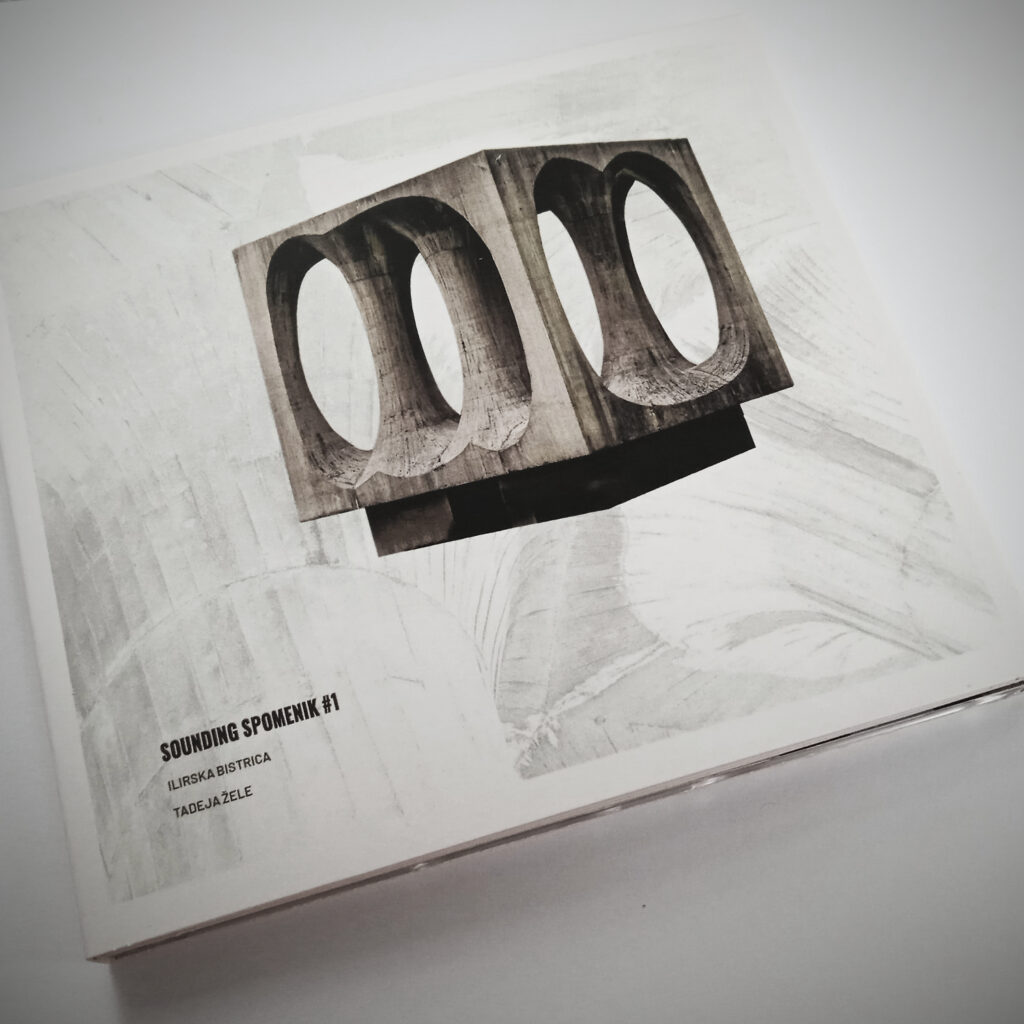
''WHILE IMAGINING THE ACOUSTIC SPACE IN AND AROUND THIS IMPOSING STRUCTURE, AS WELL AS MEANING OF REVISITING IT AFTER YEARS OF NEGLECT IN THE POST-YUGOSLAV ERA, I CAME ACROSS A QUOTE FROM THE ARCHITECT BOGDANOVIĆ, WHO SAID THAT HIS CONCERN WAS NOT ABOUT WHAT WAS MODERN AND WHAT WAS NOT, BUT WHAT WAS VEČITO (PERPETUAL, ETERNAL, ENDLESS). THIS STRUCK A CHORD IN TERMS OF POSSIBLE CONNECTIONS WITH MY OWN MUSICAL BACKGROUND. THE INITIAL IMPULSE WAS TO CONVEY RESONATING PARALLELS BETWEEN MY INSTRUMENT, THE HARP, AN
ANCIENT INSTRUMENT CAPABLE OF CONVEYING LABYRINTHINE LAYERS OF SOUND, DETACHED FROM THE CONCERNS OF MODERNITY AND THE CONTEMPORANEOUS – AND THE IDEAS BEHIND THE CREATION OF THIS PARTICULAR SPOMENIK.''
– excerpt from composer MILANA ZARIĆ's liner note for Sounding Spomenik #6: Čačak
''Oral History'' Video Interviews
SUBTITLE
In February 2026, project Sounding Spomenik initiated a dedicated series of ''Oral History'' Video Interviews: an ever growing body of structured and recorded conversations designed to document first-hand memories, experiences, interpretations, and perspectives connected to the Yugoslav era monuments of the revolution. The initiative forms an important extension of the project's broader interdisciplinary research into the memorial landscapes of the former Yugoslavia. While the project has from its beginnings approached these monuments through sounds, field recordings, and architectural observations, the ''Oral History'' Video Interview series introduces another crucial dimension: the voices of people who have encountered, studied, remembered, cared for, interpreted, or otherwise developed a personal or professional relationship with these built memorial sites. The interviews are conceived not simply as conventional biographical conversations, but as forms of situated knowledge: each testimony emerges from a particular relationship between an individual, a monument, and the historical and social environment in which that monument exists.
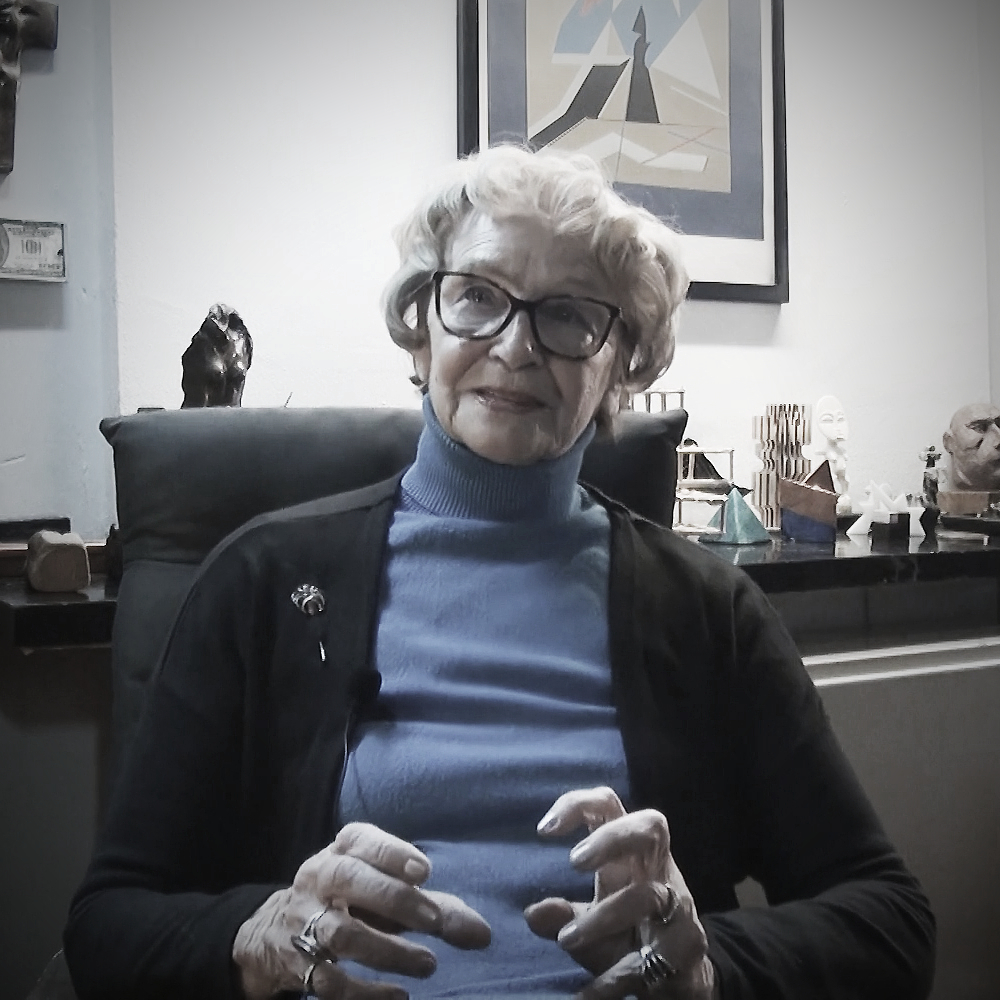
''ART HAD TO BE A POLITICAL DECISION AMONG THE MOST PROMINENT ARTISTS LIKE HENRY MOORE AND ART HISTORIAN HERBERT READ, THAT WE SHALL ABANDON WHAT IS FIGURATION. IN THAT LINE, YUGOSLAV ART WAS DEVELOPED ALSO. SO WE HAD VERY QUICKLY GOOD PROFESSORS, LIKE TOMA ROSANDIĆ IN BELGRADE WHO WAS A PROMINENT FIGURATIVE ARTIST FROM THE 30S. BUT HE ADMITTED HIS ARTISTS AND STUDENTS TO BE FREE IN THEIR DECISIONS, FROM THIS SCHOOL CAME MANY IMPORTANT NON-FIGURATIVE, ALMOST ABSTRACT SCULPTORS. OTHERS CAME FROM THE FIELD OF ARCHITECTURE, LIKE BOGDAN BOGDANOVIĆ WHO WAS IN THE AREA OF A VERY CIVIC SOCIETY IN
BELGRADE. HIS PARENTS WERE HIGH INTELLECTUALS, HE WAS SURROUNDED BY AN IMPORTANT STREAM, I WOULD EVEN SAY, A MOVEMENT CALLED BELGRADE SURREALISTS FROM THE 30S. HIS FATHER WAS CLOSE TO THEM, INCLUDING YOUNG BOGDANOVIĆ, AND THEY ALL WERE STRUGGLING FOR A NEW ART, FOR SOMETHING NEW AND MODERN, AND TO ABANDON THE IDEA OF THE SOCIAL REALISM WHICH WAS PREVAILING UNTIL 1951.''
– excerpt from art historian IRINA SUBOTIĆ's video interview for our ''Oral History'' series
Project Presentation Events
SUBTITLE
Lorem ipsum dolor sit amet, consectetur adipiscing elit, sed do eiusmod tempor incididunt ut labore et dolore magna aliqua. Ut enim ad minim veniam, quis nostrud exercitation ullamco laboris nisi ut aliquip ex ea commodo consequat. Duis aute irure dolor in reprehenderit in voluptate velit esse cillum dolore eu fugiat nulla pariatur. Excepteur sint occaecat cupidatat non proident, sunt in culpa qui officia deserunt mollit anim id est laborum.
Lorem ipsum dolor sit amet, consectetur adipiscing elit, sed do eiusmod tempor incididunt ut labore et dolore magna aliqua. Ut enim ad minim veniam, quis nostrud exercitation ullamco laboris nisi ut aliquip ex ea commodo consequat. Duis aute irure dolor in reprehenderit in voluptate velit esse cillum dolore eu fugiat nulla pariatur. Excepteur sint occaecat cupidatat non proident, sunt in culpa qui officia deserunt mollit anim id est laborum. Excepteur sint occaecat cupidatat non proident, sunt in culpa qui officia deserunt.
Lorem ipsum dolor sit amet, consectetur adipiscing elit, sed do eiusmod tempor incididunt ut labore et dolore magna aliqua. Ut enim ad minim veniam, quis nostrud exercitation ullamco laboris nisi ut aliquip ex ea commodo consequat. Duis aute irure dolor in reprehenderit in voluptate velit esse cillum dolore eu fugiat nulla pariatur. Excepteur sint occaecat cupidatat non proident, sunt in culpa qui officia deserunt mollit anim id est laborum. Excepteur sint occaecat cupidatat non proident, sunt in culpa qui officia deserunt.
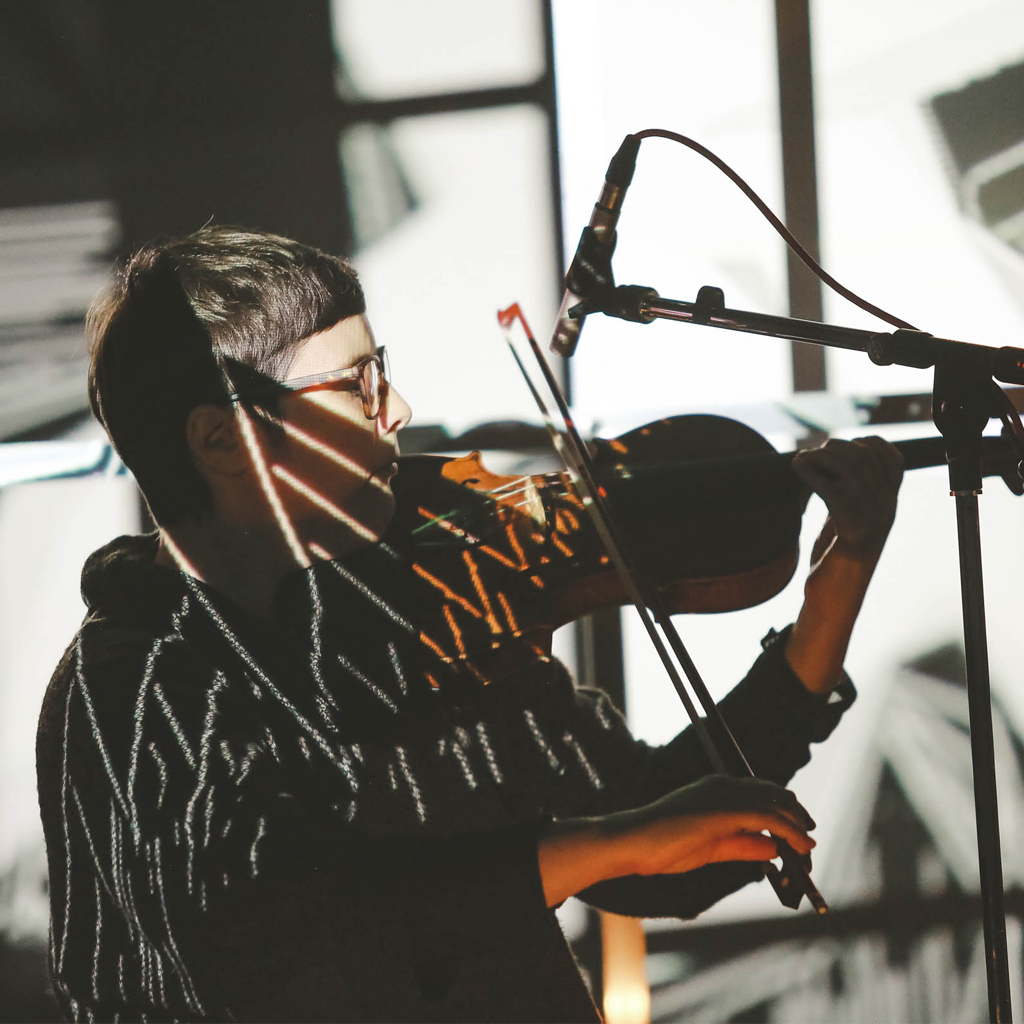
''IN TODAY'S FRACTURED POLITICAL LANDSCAPE, WHERE THE MEMORY OF THE SECOND WORLD WAR IS OFTEN CONTESTED, INSTRUMENTALISED OR NEGLECTED, POPINA STANDS AS A REMINDER THAT MEMORY IS AN ACTIVE CULTURAL PRACTICE AND CANNOT BE A STATIC INHERITANCE. THE MONUMENT'S PARTIAL ABANDONMENT, ITS OVERGROWN PATHS AND THE FADING OF ITS ONCE CLEAR SYMBOLIC PROGRAM ALL SPEAK TO THE SHIFTING POLITICS OF REMEMBRANCE IN THE POST-YUGOSLAV SPACE.
THE SOUNDING SPOMENIK PROJECT OFFERS A PROFOUNDLY CONTEMPORARY MODE OF ENGAGEMENT. BY ACTIVATING THE MONUMENT THROUGH SOUND, IMPROVISATION, RESONANCE AND ATTENTIVE LISTENING, THE PROJECT REANIMATES THE SITE WITHOUT IMPOSING A NEW NARRATIVE UPON IT. IT TREATS THE MONUMENT AS A LIVING ACOUSTIC ORGANISM CAPABLE OF DIALOGUE.''
– excerpt from sound artist MANJA RISTIĆ's text for her performance at Alkatraz Gallery in 2026
Exhibition Material
SUBTITLE
Lorem ipsum dolor sit amet, consectetur adipiscing elit, sed do eiusmod tempor incididunt ut labore et dolore magna aliqua. Ut enim ad minim veniam, quis nostrud exercitation ullamco laboris nisi ut aliquip ex ea commodo consequat. Duis aute irure dolor in reprehenderit in voluptate velit esse cillum dolore eu fugiat nulla pariatur. Excepteur sint occaecat cupidatat non proident, sunt in culpa qui officia deserunt mollit anim id est laborum.
Lorem ipsum dolor sit amet, consectetur adipiscing elit, sed do eiusmod tempor incididunt ut labore et dolore magna aliqua. Ut enim ad minim veniam, quis nostrud exercitation ullamco laboris nisi ut aliquip ex ea commodo consequat. Duis aute irure dolor in reprehenderit in voluptate velit esse cillum dolore eu fugiat nulla pariatur. Excepteur sint occaecat cupidatat non proident, sunt in culpa qui officia deserunt mollit anim id est laborum. Excepteur sint occaecat cupidatat non proident, sunt in culpa qui officia deserunt.
Lorem ipsum dolor sit amet, consectetur adipiscing elit, sed do eiusmod tempor incididunt ut labore et dolore magna aliqua. Ut enim ad minim veniam, quis nostrud exercitation ullamco laboris nisi ut aliquip ex ea commodo consequat. Duis aute irure dolor in reprehenderit in voluptate velit esse cillum dolore eu fugiat nulla pariatur. Excepteur sint occaecat cupidatat non proident, sunt in culpa qui officia deserunt mollit anim id est laborum. Excepteur sint occaecat cupidatat non proident, sunt in culpa qui officia deserunt.